Retired from commercial laying — not retired from life
Give a Good Hen
a Good Home
Our retiring laying hens are still active, productive birds with plenty to offer a backyard flock. They are affordable, proven layers looking for a safe home and a gentler pace of life.
Preorders are strongly encouraged. These ladies are highly sought after, and each release is limited.
Why take home a retired layer?
- Eggs sooner: these are mature hens already in lay.
- Excellent value: an affordable way to start or grow a backyard flock.
- Known working birds: experienced layers that understand the daily rhythm of a flock.
- A meaningful second chapter: your home gives a good hen a longer, quieter life.
Availability comes in releases.
Register early so we can contact you when the next group is ready.
Still laying. Already proven.
Ready for a quieter life.
Commercial laying flocks are renewed while the hens are still producing eggs. That does not mean the birds have stopped laying or have nothing left to give.
These hens may continue producing eggs for years, although laying naturally becomes less frequent as a hen gets older. No hen can promise an exact number of eggs—but with good food, secure housing and patient care, many become wonderful backyard layers and engaging little characters.
The Good Dozen is committed to finding suitable homes where these ladies can keep scratching, dust-bathing, exploring and laying at their own pace.
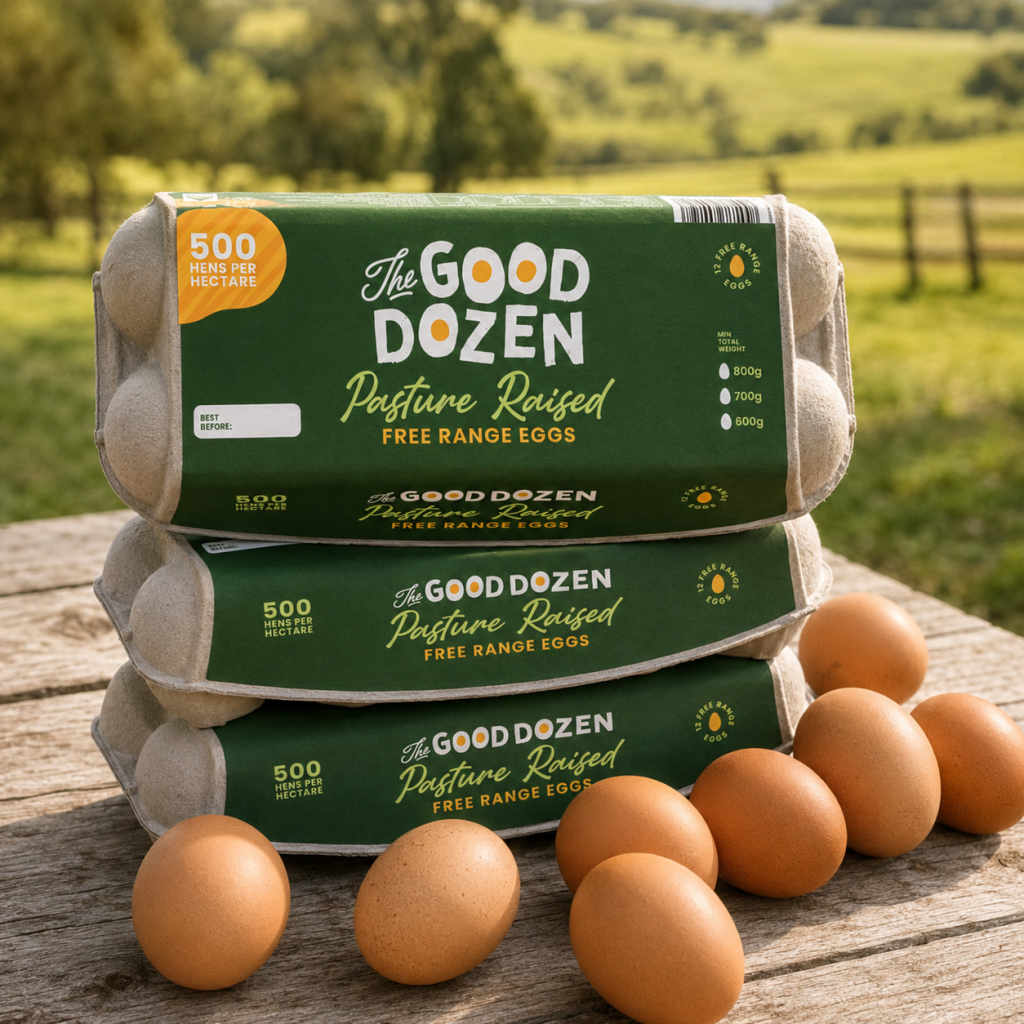
From good pasture, to good eggs, to a good retirement.
Good for your backyard. Good for the hens.
Retired layers make sense for people who want productive birds without paying pullet prices—and who like the idea of giving a hard-working hen a proper retirement.
01
Backyard eggs without the long wait
Because these hens are already laying, they can begin contributing to your household sooner than young pullets—once they have settled into their new environment.
02
A very affordable layer
Retiring hens are priced to help them find good homes. They are an economical choice for families, smallholders and people building a mixed-age flock.
03
A better retirement
A secure backyard gives each hen more individual attention, space and time to live beyond the commercial flock cycle. That is a pretty good deal for everyone.
What to expect from an older laying hen
These are living animals, not egg machines. Their production will vary with age, season, weather, moulting, health and the stress of moving home.
Some hens settle quickly; others need a little time before laying resumes. The important thing is to offer consistency: proper layer feed, clean water, shade, shelter, secure night housing and room to behave like a chicken.
The eggs are a bonus. The hen is the commitment.
Before you preorder
- Have a predator-proof coop or night shelter ready.
- Provide fresh water and a complete feed suitable for laying hens.
- Plan for shade, ventilation and protection from harsh weather.
- Remember that chickens are social animals and should not live alone.
- If joining an existing flock, prepare for quarantine and a gradual introduction.
- Be ready to care for your hens even after their laying slows or stops.
How the preorder works
Registering your interest helps us match available hens with prepared homes. It is an enquiry—not a confirmed allocation or collection booking.
1
Send your preorder
Tell us how many hens you would like, where you are located and what sort of setup you have.
2
We check availability
Release dates and numbers depend on the farm’s flock schedule. We will review your request against the next available group.
3
We contact you
We confirm current price, the number available, timing and the approved collection or handover arrangements.
4
Welcome them home
Prepare their housing before the day, transport them safely, and give them a calm period to settle into their new flock.
Register your interest
Preorder retired laying hens
Complete the form below and we will contact you when suitable hens become available. The more detail you provide, the easier it is for us to understand what you need.
Important preorder information
A preorder is not a confirmed sale. Hens are released in groups, and availability can change.
We will contact you to confirm:
- how many hens are available;
- the current price;
- the release date and timing;
- the approved collection or handover location; and
- anything you need to know about that group of birds.
Farm biosecurity
The farm is a biosecure working property. Please do not arrive at the farm or attempt to collect hens without confirmed instructions. Limiting visitors helps protect the health of every bird on the property.
Questions?
Add them to the form and we will discuss them when we contact you.
Retired hen FAQ
A few practical answers before you bring home your new ladies.
Are the hens still laying?
Yes. These hens are actively laying when they retire from the commercial flock. Moving home can temporarily interrupt production, and laying will naturally become less frequent with age.
How much longer will they lay?
Some hens continue laying for several years, but there is no guaranteed timeframe or number of eggs. Breed, age, season, health, nutrition, moulting and daylight all affect production.
Why are productive hens being retired?
Commercial farms renew laying flocks on a production schedule. A hen can remain a useful backyard layer after she has reached the point where commercial production moves to a younger flock.
Are retired hens suitable for first-time chicken keepers?
They can be, provided you prepare secure housing, proper feed, fresh water and ongoing care. Mature hens are proven birds, but they still require the same responsible husbandry as any chicken.
How many hens should I get?
Chickens are social and should not be kept alone. If you do not already have a flock, plan to take at least two compatible hens. The number your property can support depends on your space, housing and local rules.
Will they get along with my existing chickens?
Usually, with a careful introduction. New hens should be kept separately at first, observed for signs of illness, and introduced gradually so the flock can establish a new pecking order with less stress.
What should I feed them?
Provide a complete, good-quality feed formulated for laying hens, unlimited clean water, and access to shell grit or an appropriate calcium source. Kitchen scraps and forage should complement—not replace—a balanced diet.
Do I need a rooster?
No. Hens lay eggs without a rooster. A rooster is only needed for fertile eggs, and local council rules may restrict keeping one.
Can I choose individual hens?
Individual selection may not be possible. Hens are generally allocated from the available retiring group, and exact appearance, personality and laying rate will vary from bird to bird.
Can I visit the farm or collect without an appointment?
No. The Good Dozen is a biosecure working farm. Do not arrive without confirmed instructions. Handover arrangements will be discussed directly once your allocation is confirmed.
Does sending this form guarantee hens?
No. The form registers your interest. Your allocation is only confirmed after The Good Dozen contacts you with availability, price, timing and handover details.
What happens when my hens stop laying?
They remain your responsibility and can continue to enjoy a good life as companion birds, garden helpers and members of your flock. Please preorder only if you are prepared to care for them throughout retirement.